
Does Urolithin A Increase Health and Longevity?
Feb 24, 2026
Key Takeaways
- Urolithin A (UA) is a gut-derived metabolite produced from ellagitannin-rich foods (e.g., pomegranates, berries), but only ~30–40% of people produce sufficient amounts naturally.
- UA improves mitochondrial quality by activating mitophagy, the age-dependent process that removes damaged mitochondria and supports cellular energy production.
- Randomized clinical trials in humans show that 500–1000 mg/day of UA improves muscle endurance and mitochondrial biomarkers, particularly in older adults.
- Lifespan extension has been demonstrated in animal models, but there is currently no direct evidence that UA increases human lifespan.
- UA has shown a favorable safety profile in short- to medium-term human studies, while long-term safety, optimal dosing strategies, and population-specific benefits remain under investigation.
Full Blog
If you go online looking for evidence-based products to help you live healthier longer, you may have come across urolithin A (UA). UA is touted by some in the longevity community as reversing hallmarks of aging, including mitochondrial dysfunction and inflammation. It is an expensive supplement, so people are curious whether these claims are backed by research.
In this blog, I will explain what urolithin A is, how it works, and how to use it if you decide to do so.
Does Urolithin A (UA) Reverse Aging?
UA is a naturally occurring molecule that appears to rejuvenate mitochondria by breaking down old and damaged mitochondria (mitophagy), activating the birth of new healthy mitochondria (mitogenesis). In animal models, UA extends lifespan. In humans, it is hoped, though not yet proven, that improving mitochondrial function through UA and other means may lessen the hallmarks of aging and extend health and lifespan.
Urolithin A is one molecule in a larger family of urolithins, produced by bacteria in the gut (the microbiome) from plant-based compounds called ellagitannins, found in foods such as pomegranate, other brightly colored berries, and some nuts.
The important point is that not everyone can make urolithin A. Even with a diet rich in ellagitannin-containing foods, only about one-third of people produce levels associated with good health. Another third can increase production by improving diet and microbiome health, while roughly one third do not produce urolithin A at all, regardless of how many pomegranates they eat (García-Villalba et al., 2022). At least 13 distinct urolithins have now been identified, and it remains unclear which are most relevant to human health.

What Are the Effects of Urolithin A?
I have written numerous blogposts on how mitochondrial function is central to good health and how both ME and long COVID are associated with mitochondrial dysfunction. In fact, virtually every chronic disease studied, including mental health conditions, has been linked to impaired mitochondrial function.
As Dr. Chris Palmer describes in Brain Energy, mitochondria are responsible not only for producing cellular energy but also for regulating oxidative stress and enabling intracellular communication throughout the body.
Urolithin A
- activates mitophagy, the recycling of old and damaged mitochondria, a process that slows with age. As mitophagy declines, mitochondrial functions, including energy production and cellular communication, become less efficient (Andreux et al., 2019; Ryu et al., 2016). In an interview on The Dr. Gabrielle Lyon Show, Dr. Anurag Singh, a lead researcher on urolithin A, noted that the recycling of damaged mitochondria appears to begin soon after supplementation, whereas the formation of new, healthy mitochondria lags by about a month.
- improves muscle recovery and endurance. Because muscles are highly energy-dependent, they are particularly vulnerable to age-related mitochondrial decline. Supplementation with UA has been associated with statistically significant improvements in muscle mass and endurance in older adults (Liu et al., 2022; Singh et al., 2022), with even greater benefits when combined with exercise and adequate protein intake (~2 g/kg/day).
- may reduce inflammation. Preclinical animal studies suggest that urolithin A can decrease inflammation—particularly in the gut—and may have beneficial effects in conditions such as osteoarthritis, fatty liver disease, and rheumatoid arthritis.
- extends lifespan in animal models. In C. elegans, UA increased lifespan by approximately 45%. While caloric restriction remains the gold standard for longevity interventions, and direct effects on human lifespan have not yet been studied, indirect evidence suggests potential benefits (Kuerec et al., 2024).
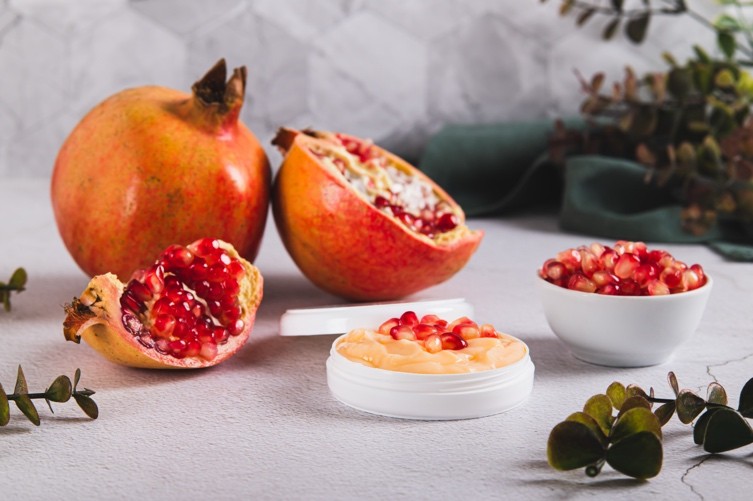
Which Foods Contain the Precursor of Urolithin A?
- Pomegranate fruit and juice are high in ellagitannins and ellagic acid
- Many types of berries
- Nuts like walnuts, pecans and chestnuts
- Some grapes
How Much Urolithin A Should I Take?
You may want to start by getting your UA levels tested. If you are one of the people who already make UA naturally from your diet, then there is no point in purchasing this expensive supplement.
Two recommended labs use mass spectrometry to measure urolithin A levels: Light Labs and MtoZ Biolabs. I couldn’t find the prices of the tests, so you will need to do your own research on that. To see if you make UA, drink 8 – 16 ounces of pomegranate juice 24 hours before the test. The ideal level is 100 ng/ml of blood.
Dr. Singh recommends supplementing with 500 mg/day of UA as a maintenance dose and 1000 mg/day for individuals with fatigue or inflammation (i.e., all of us). As with so many strategies that rely on the body's response, it is not a linear dose-response curve and higher is not necessarily better.
As Promised, Here is an Update on My Experience With Urolithin A
I had been hearing about UA for a couple of years, but due to the cost of the supplement, I hadn't tried it. Recently, one of my community members emailed me letting me know that she and her husband were trying this supplement and had noted improvements in energy and cognition. Based on that testimonial from a trusted person, I decided to give it a try.
You may have watched a short reel I published on November 11, in which I discussed my early experience with UA without naming it. https://www.instagram.com/p/DQ6CgY3Dz48/
I was excited because I noticed a positive signal within a couple of weeks. But I didn't want to name the supplement until more time had gone by and I felt more confident about the results.
Here's how it affected me.
- My inflammatory rash that nothing else touches seemed a little bit better,
- My cognitive stamina seemed a bit stronger, and
- I noticed some metabolic benefits.
As I approach my fourth month of use, the time when most treatments that are going to fail begin to do so, these early effects continue, and
- I have not had a flare of joint inflammation since starting UA.
- It hasn't caused any new symptoms or side effects. For people with sensitivities and MCAS, this is a rare win.
Like all treatments, it has limitations. Whenever I start a new treatment, I hope it will increase food tolerance. With UA, when I tried to reintroduce fermented foods, it was unsuccessful. My rash and itching flared. Once I clued in to the impact and stopped it, the rash is once again improving, and on the positive side, it is easing a bit faster than usual. This reaction is likely unique to me and not something you need to worry about.
At this point, I am cautiously optimistic. It is suggested to take UA daily for 4 months for full benefit, and, since I am on the road, I bought enough for 6 months at which point I'll reassess.
The supplement is very expensive for Canadians. The regular price without a subscription or a coupon code is USD 125 per month. On top of this, shipping is exorbitant, USD 40 to 60.00. If you purchase on a major holiday, you can get 30 to 40% off.
I take the original Mitopure® brand purchased from their affiliate company, TimeLine. This is the only form of UA that has undergone virtually all of the human testing. I take the gummies. Unlike the health experts who earn money by promoting the product, I have no affiliation with the company and benefit in no way from sharing my experience.
The Science of Urolithin A (with references for those who want a deeper dive)
There are 28 human trials of UA listed on clinicaltrials.gov, many of which are unfinished or unpublished. A 2024 systematic review identified 5 human trials (≈250 participants total) that tested urolithin A.
Please note that the studies listed below were conducted by researchers employed by the manufacturer of Mitopure®-branded urolithin A, which may introduce bias, as the company stands to benefit from positive findings. Fortunately, studies are underway by other groups. It will be critical to see if these support the benefits of urolithin A or not.
Ryu et al. identified urolithin A (UA), a natural compound that induces mitophagy both in vitro and in vivo following oral consumption in C. elegans (a tiny, often studied worm). It prevented the accumulation of dysfunctional mitochondria as the worms aged, and the worms lived healthier longer. These worms, beloved by researchers because they are so easy and fast to study, are transparent, 1 mm long and live for about 30 days. (image from CIHR website)
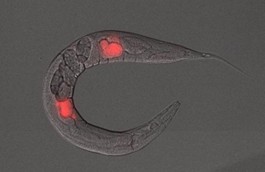 They then translated the studies to mice, where UA improved exercise capacity in two different mouse models of age-related decline of muscle function, as well as in young rats (Ryu et al., 2016).
In the first human study, Andreux and colleagues found that 500 mg and 1000 mg of UA were safely given to healthy, sedentary elderly individuals. After 4 weeks, there was evidence of improved fat burning and skeletal muscle mitochondrial gene expression (Andreux et al., 2019).
A double-blind, placebo-controlled randomized clinical trial in adults aged 65 to 90 years to see if UA improved muscle fatigue. The participants were given either 1000 mg of urolithin A or a placebo for 4 months. The average age of the participants was 71. 75% were women, and all were white. Compared with placebo, the participants taking urolithin A showed improved muscle endurance (Liu et al., 2022).
Unanswered Questions
Urolithin A is one of the best-studied nutritional supplements targeting mitochondrial health. There is evidence of improvements in muscle function and mitochondrial biomarkers. However, as always, many unanswered questions remain.
- Does UA increase mitochondrial function?
- Does UA increase longevity in humans?
- Will UA be a useful tool for people with chronic diseases?
- Who will benefit most (age, health status)?
- What is the most effective dose?
- Will the benefits continue over the long term?
- Should UA be used daily or pulsed?
- Is UA safe for long-term use?
Stay tuned to this blog space for updates on UA and other longevity and hormetic health strategies as they become available.
If you are a visual/auditory learner, go to the Video Tip corresponding to this blog by clicking on the image below. 
If you liked this blog, you may also like the following similar blogs about commonly used supplements and drugs:
https://www.eleanorsteinmd.ca/blog/vitamin-d
https://www.eleanorsteinmd.ca/blog/does-magnesium-improve-sleep
https://www.eleanorsteinmd.ca/blog/hydrogen
https://www.eleanorsteinmd.ca/blog/ldn
https://www.eleanorsteinmd.ca/blog/drugs
References
Andreux, P. A., Blanco-Bose, W., Ryu, D., Burdet, F., Ibberson, M., Aebischer, P., . . . Rinsch, C. (2019). The mitophagy activator urolithin A is safe and induces a molecular signature of improved mitochondrial and cellular health in humans. Nat Metab, 1(6), 595–603. doi:10.1038/s42255-019-00Andreux73-4
García-Villalba, R., Giménez-Bastida, J. A., Cortés-Martín, A., Ávila-Gálvez, M., Tomás-Barberán, F. A., Selma, M. V., . . . González-Sarrías, A. (2022). Urolithins: a Comprehensive Update on their Metabolism, Bioactivity, and Associated Gut Microbiota. Mol Nutr Food Res, 66(21), e2101019. doi:10.1002/mnfr.202101019
Kuerec, A. H., Lim, X. K., Khoo, A. L., Sandalova, E., Guan, L., Feng, L., & Maier, A. B. (2024). Targeting aging with urolithin A in humans: A systematic review. Ageing Research Reviews, 100, 102406. doi:10.1016/j.arr.2024.102406
Liu, S., D’Amico, D., Shankland, E., Bhayana, S., Garcia, J. M., Aebischer, P., . . . Marcinek, D. J. (2022). Effect of Urolithin A Supplementation on Muscle Endurance and Mitochondrial Health in Older Adults: A Randomized Clinical Trial. JAMA Network Open, 5(1), e2144279–e2144279. doi:10.1001/jamanetworkopen.2021.44279
Ryu, D., Mouchiroud, L., Andreux, P. A., Katsyuba, E., Moullan, N., Nicolet-Dit-Félix, A. A., . . . Auwerx, J. (2016). Urolithin A induces mitophagy and prolongs lifespan in C. elegans and increases muscle function in rodents. Nat Med, 22(8), 879–888. doi:10.1038/nm.4132
Singh, A., D'Amico, D., Andreux, P. A., Fouassier, A. M., Blanco-Bose, W., Evans, M., . . . Rinsch, C. (2022). Urolithin A improves muscle strength, exercise performance, and mitochondrial health biomarkers in a randomized trial in middle-aged adults. Cell Rep Med, 3(5), 100633. doi:10.1016/j.xcrm.2022.100633
If topics like this are of interest to you, consider joining Live! With Dr. Stein, where you will meet with me every other Thursday to learn about cutting-edge research and accessible strategies to improve your health and quality of life.

To learn more about Live! with Dr. Stein, click on the image above.
Dr. Eleanor Stein is a physician and psychiatrist who now dedicates her career to empowering people with complex chronic conditions—such as myalgic encephalomyelitis/chronic fatigue syndrome (ME/CFS), fibromyalgia, environmental sensitivities, long COVID and chronic pain—to reclaim their lives through accessible science-based self-management strategies.
She draws ideas from cutting edge research in circadian biology, neuroplasticity, hormesis and quantum biology among other.
With over 35 years of clinical practice in Calgary, Alberta, Canada, along with research and decades of lived experience navigating ME/CFS, fibromyalgia, and multiple chemical sensitivity (MCS), Dr. Stein uniquely blends rigorous medical insight with personal resilience.
Join Ellie’s Newsletter to learn more about accessible science-based natural methods to help manage chronic illnesses. There is hope! And we’re here to help.
