
Evidence-Based Strategies to Improve Nutrient Sensing and Slow Biological Aging (Part 3 of 3)
Jul 03, 2026
Practical, Low-Cost Approaches Backed by Longevity Research
Understanding nutrient-sensing pathways is valuable, but knowledge alone doesn't improve health. What matters is putting that knowledge into practice. The encouraging news is that many of the most effective strategies for optimizing health through these pathways are accessible, low-cost and don't require a prescription.
Here are research-backed approaches that target the fundamental mechanisms shared by aging and chronic disease.
Optimize Sleep Quality for Cellular Cleanup

Restorative deep sleep is essential for clearing accumulated cellular damage. During deep sleep, the glymphatic system in your brain removes toxins including dangerous molecules like tau and beta-amyloid that are associated with dementia.
This cleanup process is dramatically more active during sleep than during waking hours. Chronic sleep deprivation accelerates the accumulation of these harmful proteins and is associated with faster cognitive decline.
Practical steps:
- Prioritize 7–9 hours of sleep consistently.
- Maintain a cool, dark sleeping environment. This mimics nighttime outside.
- Limit screen exposure in the evening. The blue light decreases melatonin production and decreases sleep.
- Keep a consistent sleep-wake schedule. Our cells and organs function better when they know when they are needed.
Time-Restricted Eating and Intermittent Fasting

The benefits of caloric restriction are one of the most robust findings in longevity science. It extends lifespan in virtually every species tested, from yeast to fruit flies to mice to primates. It works by acting on all the major nutrient-sensing pathways simultaneously: insulin, AMPK, mTOR, and sirtuins.
However, chronic caloric restriction is difficult to maintain and may not be appropriate for everyone, particularly those with chronic fatigue conditions.
Time-restricted eating offers a way to capture many of the same benefits without chronic hunger. By compressing your eating window to 8–10 hours daily (fasting for 14–16 hours), you give your body extended periods in the "repair and cleanup" mode rather than the "growth and building" mode.
This approach:
- Inhibits mTOR, promoting autophagy
- Activates AMPK, improving energy production
- Stimulates sirtuins, enhancing cellular repair
- Improves insulin sensitivity
Reduce Sugar and Refined Starch
This is perhaps the single highest-impact dietary change for most people. High sugar and refined starch consumption chronically elevates insulin, which adversely affects every other nutrient-sensing pathway.
Practical steps:
- Replace refined grains with whole grains or non-grain alternatives
- Choose whole fruits over fruit juices
- Read labels for hidden sugars. Did you know that there are over 50 names for added sugar. The food companies are very wily in hiding sugar content from consumers.
- Cook more meals at home to control ingredients
You don't need to eliminate carbohydrates entirely. The goal is to avoid the rapid blood sugar spikes that come from refined starches and added sugars.
Prioritize Phytochemical-Rich Foods
Certain plant compounds activate beneficial stress responses (hormesis) and directly influence nutrient sensing pathways. Polyphenols and other phytochemicals can:
- Activate sirtuins
- Stimulate autophagy
- Reduce inflammation
- Support mitochondrial function
Foods particularly high in beneficial compounds:
- Cruciferous vegetables (broccoli, cauliflower, brussel sprouts)
- Alliums (onions, garlic, leeks)
- Green tea
- Turmeric
- Berries
- Dark leafy greens

These aren't expensive supplements; they're ordinary foods available at any grocery store.
Exercise as a Longevity Intervention
Regular exercise is one of the most powerful activators of AMPK and has broad effects on all nutrient-sensing pathways. It improves insulin sensitivity, stimulates autophagy, supports mitochondrial function and reduces chronic inflammation.
Even modest amounts of exercise provide benefits. Walking, swimming, cycling, and resistance training all contribute. The key is consistency rather than intensity.
For those with chronic fatigue conditions, the approach must be carefully calibrated to avoid post-exertional malaise. Gentle movement within individual tolerance levels still provides benefits, though the threshold varies considerably between people.
Specific Nutrients and Supplements
Several supplements have research support for influencing nutrient-sensing pathways, though dietary approaches generally provide the foundation.
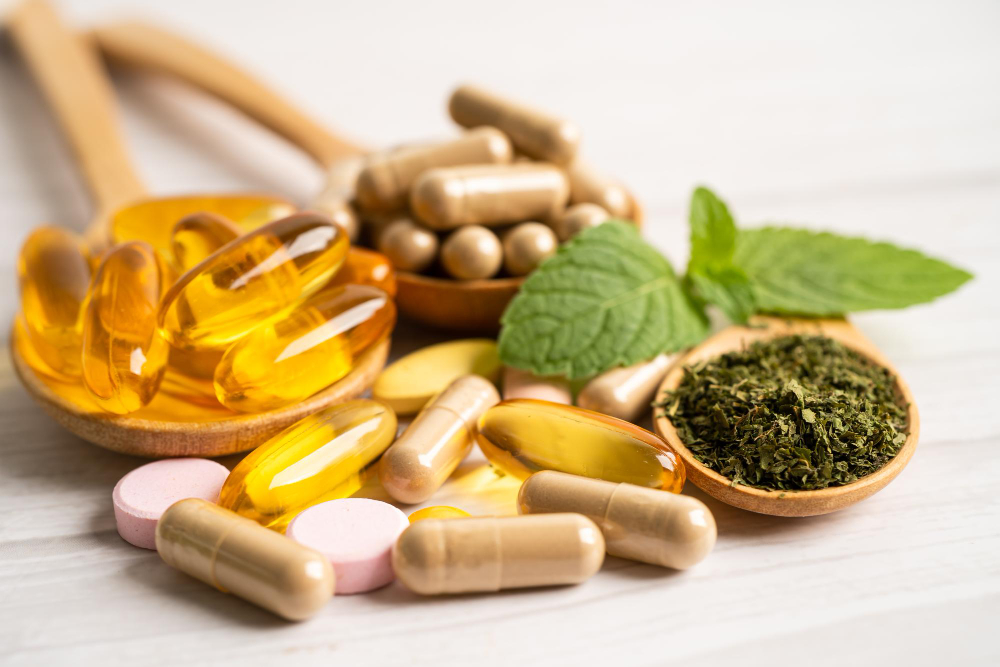
Branched-chain amino acids (BCAAs): Supplementation at approximately 1.5 g per kilogram of body weight daily has been shown to extend lifespan in mice by about 10%.
NAD+ precursors: Nicotinamide riboside (NR) and nicotinamide mononucleotide (NMN) have been shown to decrease senescent cell formation and increase longevity in mice. Human trials are ongoing. The pros and cons of this approach is actively debated.
mTOR-regulating compounds: Natural products like curcumin have been found to help regulate mTOR and may support healthy aging.
Heat Therapy and Temperature Variation
Heat exposure (saunas, hot baths) and cold exposure activate AMPK and other stress-response pathways. Regular sauna use has been associated with reduced all-cause mortality in epidemiological studies.
These approaches work through hormesis, brief, controlled stressors that trigger adaptive responses, leaving your cells more resilient.
A Systems Approach to Health
The fundamental insight from longevity science is that we can target the shared mechanisms underlying chronic disease and aging rather than treating each condition in isolation.
By optimizing nutrient sensing through:
- Sleep (enabling cellular cleanup)
- Time-restricted eating (alternating between fed and fasted states)
- Blood sugar regulation (keeping insulin from staying chronically elevated)
- Regular movement (activating AMPK and improving mitochondrial function)
...we address root causes rather than just symptoms.
This approach doesn't require understanding the precise cause of every symptom. By supporting the body's fundamental repair and regulation systems, we create conditions for healing regardless of the specific diagnosis.
Getting Started
You don't need to implement everything at once. Pick one or two changes that seem most feasible given your current situation:
- If you eat frequently throughout the day, try narrowing your eating window
- If your diet is high in refined carbohydrates, start substituting whole foods
- If you're sedentary, add gentle daily movement
- If sleep quality is poor, prioritize sleep hygiene changes
Small, sustainable changes compound over time. The nutrient-sensing pathways respond to patterns, not perfection.
References
1. Xie, L et al., 2013. Sleep Drives Metabolite Clearance from the Adult Brain. Science 342,373-377. doi:1126/science.1241224
2. Krause, A. J. et al, 2017. The sleep-deprived human brain. Nature Reviews. Neuroscience, 18(7), 404–418. doi: 1038/nrn.2017.55
3. Mattison, J. Aet al. 2017. Caloric restriction improves the health and survival of rhesus monkeys. Nature Communications, 8, 14063. doi:1038/ncomms14063
4. Wilkinson M, et al. Ten-Hour Time-Restricted Eating Reduces Weight, Blood Pressure, and Atherogenic Lipids in Patients with Metabolic Syndrome Cell Metabolism, 2019; 31, 92-104.e5. Click here.
5. Rippe, J. M., & Angelopoulos, T. J. (2016). Relationship between Added Sugars Consumption and Chronic Disease Risk Factors: Current Understanding. Nutrients, 8 (11), 697. doi: 3390/nu8110697
6. Blog - Secret Sugars: 56 Different Names for Sugar
7. Khurana, S., Venkataraman, K., Hollingsworth, A., Piche, M., & Tai, T. C. (2013). Polyphenols: benefits to the cardiovascular system in health and in aging. Nutrients, 5(10), 3779–3827. doi: 3390/nu5103779
8. Nystoriak, M. A., & Bhatnagar, A. (2018). Cardiovascular Effects and Benefits of Exercise. Frontiers in cardiovascular medicine, 5, 135. doi: 3389/fcvm.2018.00135
10. Hussain, J., & Cohen, M. 2018. Clinical Effects of Regular Dry Sauna Bathing: A Systematic Review. Evidence-based complementary and alternative medicine: eCAM, 1857413. doi: 1155/2018/1857413
For more information on promoting longevity, see these blogs
https://www.eleanorsteinmd.ca/blog/nutrient-sensing
https://www.eleanorsteinmd.ca/blog/aging-chronic-disease
https://www.eleanorsteinmd.ca/blog/urolithin
https://www.eleanorsteinmd.ca/blog/brain-healthy
https://www.eleanorsteinmd.ca/blog/how-to-improve-mitochondrial-function
 STAY CONNECTED AND INFORMED
Join Ellie’s Newsletter to learn more about accessible science-based natural methods to help manage chronic illnesses. There is hope! And we’re here to help
 If you are exhausted from trying to figure out which strategies to try next, join me live via zoom every two weeks. Live! with Dr. Stein takes the guess work out of healing, saves you time and provides the ongoing support and motivation you need to move ahead.
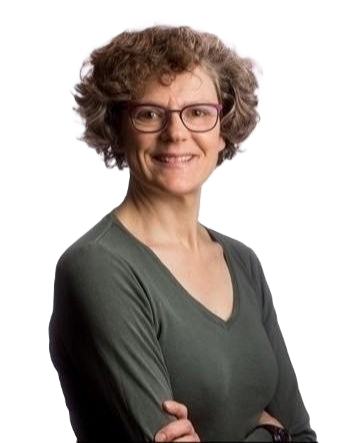 Dr. Eleanor Stein is a physician and psychiatrist who now dedicates her career to empowering people with complex chronic conditions—such as myalgic encephalomyelitis/chronic fatigue syndrome (ME/CFS), fibromyalgia, environmental sensitivities, long COVID and chronic pain—to reclaim their lives through accessible science-based self-management strategies.
She draws ideas from cutting edge research in circadian biology, neuroplasticity, hormesis and quantum biology among other.
With over 35 years of clinical practice in Calgary, Alberta, Canada, along with research and decades of lived experience navigating ME/CFS, fibromyalgia, and multiple chemical sensitivity (MCS), Dr. Stein uniquely blends rigorous medical insight with personal resilience. Her online resource platform offers, self-study programs, webinars, blogs and a podcast to support patients and health care professionals worldwide. If you are exhausted from trying to figure out which strategies to try next, join me live via zoom every two weeks. Live! with Dr. Stein takes the guess work out of healing, saves you time and provides the ongoing support and motivation you need to move ahead.
