Why Aging Is the Hidden Driver Behind Chronic Disease (Part 1 of 3)
Jun 23, 2026
What the Science of Longevity Reveals About Inflammation, Cellular Damage, and Your Health
Most people think of aging as a separate concern from chronic illness, something that happens later, after you've dealt with other health challenges. But emerging research tells a different story. Aging isn't just a backdrop to chronic disease; it's the single biggest risk factor for nearly every serious health condition we face.
Aging Outweighs Smoking, Obesity, and Other Risk Factors

Consider this: smoking increases cancer risk roughly five-fold. Aging increases it 40-fold. The same pattern holds for heart disease, diabetes, dementia, and autoimmune conditions. When researchers compare risk factors head-to-head, age consistently emerges as the most powerful predictor of chronic disease.
This isn't just an academic observation. It has practical implications for how we think about prevention and treatment. If aging amplifies disease risk so dramatically, then strategies that slow biological aging may be among the most effective interventions we have, regardless of which specific condition we're trying to prevent.
The 12 Hallmarks of Aging Connect Everything
Scientists have identified 12 hallmarks of aging—measurable biological changes that accumulate as we get older. These include genomic instability, telomere shortening, mitochondrial dysfunction, cellular senescence, and chronic inflammation, among others.
Here's what makes this framework so useful: virtually all chronic diseases show increases in these same hallmarks. Whether we're looking at ME CFS, fibromyalgia, heart disease, or cancer, the underlying cellular dysfunction overlaps significantly with what happens during normal aging.
This suggests a powerful insight: aging and chronic disease may share common root causes. Address those roots, and you might improve both.
Chronic Inflammation: The Common Thread

At the center of this web sits chronic inflammation. Unlike acute inflammation, the body's healthy response to injury or infection, chronic inflammation simmers continuously at low levels, damaging tissues and accelerating cellular aging.
Chronic inflammation is driven largely by diet and lifestyle habits common in developed countries: high sugar intake, sedentary behavior, poor sleep, and chronic stress. The encouraging news is that these factors are modifiable. Studies show that reducing chronic inflammation through lifestyle changes improves health outcomes even in people in their 70s and beyond. Research on anti-inflammatory diets consistently demonstrates measurable reductions in inflammatory markers and disease risk.
The Cell Danger Response and Incomplete Healing
Dr. Robert Naviaux at UC San Diego has developed a framework called the cell danger response (CDR) that may explain how chronic disease develops. The CDR is an evolutionarily conserved protective mechanism; when cells encounter stress (physical, toxic, infectious, or psychological), they downregulate energy production as a defensive measure.
In healthy people, this triggers a healing cycle that eventually restores normal function. But as we age, our physiological reserve capacity declines. Not all cells fully recover from stressors, and not all damaged cells get cleared through autophagy (the body's cellular recycling system).
The result is asynchronous and incomplete healing, a state where damaged cells persist and interfere with the function of their neighbors.
Zombie Cells and the Spread of Dysfunction
These damaged, persistently stressed cells are called senescent cells, sometimes referred to as "zombie cells." They don't die, but they don't function properly either. Worse, they actively cause harm.
Research shows that, as few as one in 10,000, can inhibit healing and optimal function in surrounding tissues. These zombie cells produce large amounts of pro-inflammatory molecules that travel to neighboring cells, causing them to become dysfunctional and potentially senescent themselves.
This creates a vicious cycle: inflammation triggers cellular damage, damaged cells produce more inflammation, and the hallmarks of aging accelerate.
A New Approach to Chronic Disease
The connection between aging and chronic disease points toward a different treatment philosophy. Instead of targeting each disease individually, we can focus on the shared biological mechanisms that underlie them all.
Naviaux argues that treatments promoting healing of chronic diseases may be the same treatments that decrease the hallmarks of aging and promote longevity. This is particularly relevant for conditions like ME, CFS and long COVID, where the underlying causes remain incompletely understood.
The implication is hopeful: we may not need to know the precise cause of every symptom to improve outcomes. By addressing the fundamental processes of cellular stress, inflammation, and impaired healing, we can potentially help the body recover regardless of the specific diagnosis.
Coming up next: How Nutrient Sensing Controls Your Metabolism and Longevity — exploring insulin signaling, mTOR, AMPK, and sirtuins, and why these ancient cellular switches hold the key to both disease prevention and healthy aging.
Refrences
1. McHugh, et al. (2018). Senescence and aging: Causes, consequences, and therapeutic avenues. J Cell Biol, 65–77. doi: 10.1083/jcb.201708092
2. López-Otín, et al. (2023). Hallmarks of aging: An expanding universe. Cell, 186(2), 243–278. https://www.cell.com/cell/fulltext/S0092-8674(22)01377-0
4. Naviaux, R. K. (2014). Metabolic features of the cell danger response. Mitochondrion, 16, 7-17. doi: 10.1016/j.mito.2013.08.006
5. López-Otín et al. (2023). Hallmarks of Aging: An Expanding Universe. Cell, 186(2), 243–278. doi: 10.1016/j.cell.2022.11.001
For more information on promoting longevity, see these blogs
https://www.eleanorsteinmd.ca/blog/urolithin
https://www.eleanorsteinmd.ca/blog/brain-healthy
https://www.eleanorsteinmd.ca/blog/how-to-improve-mitochondrial-function
https://www.eleanorsteinmd.ca/blog/microbiome
https://www.eleanorsteinmd.ca/blog/epigenetics
 STAY CONNECTED AND INFORMED
Join Ellie’s Newsletter to learn more about accessible science-based natural methods to help manage chronic illnesses. There is hope! And we’re here to help
 If you are exhausted from trying to figure out which strategies to try next, join me live via zoom every two weeks. Live! with Dr. Stein takes the guess work out of healing, saves you time and provides the ongoing support and motivation you need to move ahead.
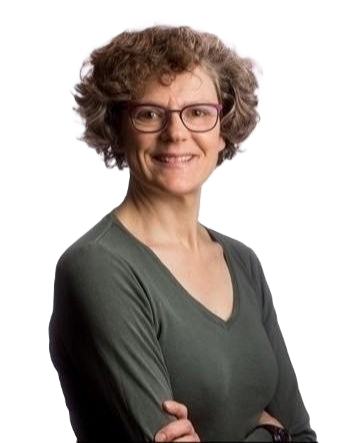 Dr. Eleanor Stein is a physician and psychiatrist who now dedicates her career to empowering people with complex chronic conditions—such as myalgic encephalomyelitis/chronic fatigue syndrome (ME/CFS), fibromyalgia, environmental sensitivities, long COVID and chronic pain—to reclaim their lives through accessible science-based self-management strategies.
She draws ideas from cutting edge research in circadian biology, neuroplasticity, hormesis and quantum biology among other.
With over 35 years of clinical practice in Calgary, Alberta, Canada, along with research and decades of lived experience navigating ME/CFS, fibromyalgia, and multiple chemical sensitivity (MCS), Dr. Stein uniquely blends rigorous medical insight with personal resilience. Her online resource platform offers, self-study programs, webinars, blogs and a podcast to support patients and health care professionals worldwide. If you are exhausted from trying to figure out which strategies to try next, join me live via zoom every two weeks. Live! with Dr. Stein takes the guess work out of healing, saves you time and provides the ongoing support and motivation you need to move ahead.
