Does Red and Infrared Light Therapy Really Work?
Sep 15, 2026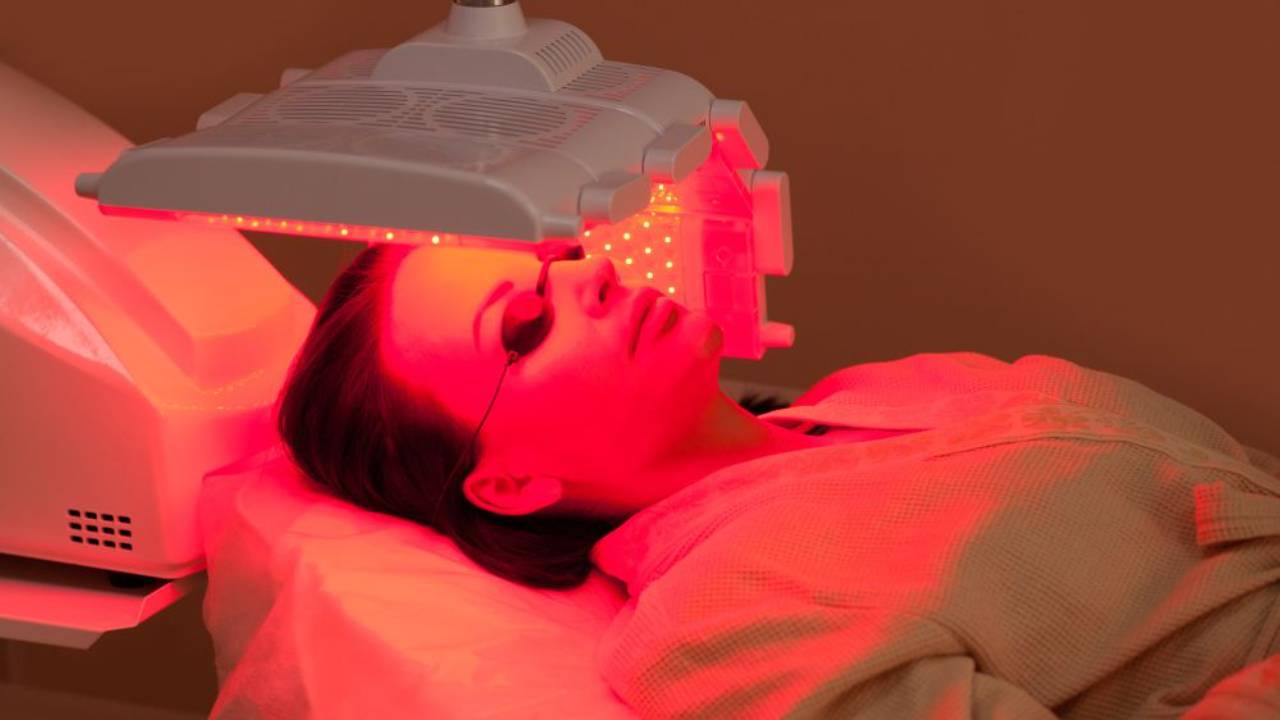
For this blogpost I drew on three interviews from the Regenerative Health Podcast with Dr. Max Gulhane:
- Andrew LaTour, an engineer who manufactures red light devices (Episode 61);
- Glen Jeffery, PhD, of University College London (Episode 74); and
- Scott Zimmerman, an optics engineer who studies how non-visible light interacts with the human body (Episode 39).
A Bit of History on Red Light Therapy (aka Photobiomodulation)
Photobiomodulation refers to the use of photons (light) to modulate or change biological systems like us. The idea that light can benefit health is not new but the term photobiomodulation only became widespread in the early 2000s. In 1967, Hungarian researcher Andre Mester discovered that mice healed faster with low level laser therapy (Mester et al., 1967). Russian scientist Tina Karu later showed that red and infrared light activates cytochrome C oxidase, the fourth complex in the mitochondrial electron transport chain, triggering nitric oxide release and a low beneficial level of oxidative stress (Karu, 2010). Once Karu's work reached the West, thousands of studies followed, on benefits for mitochondrial function, skin, eye health, and fitness.
How Light Therapy Works
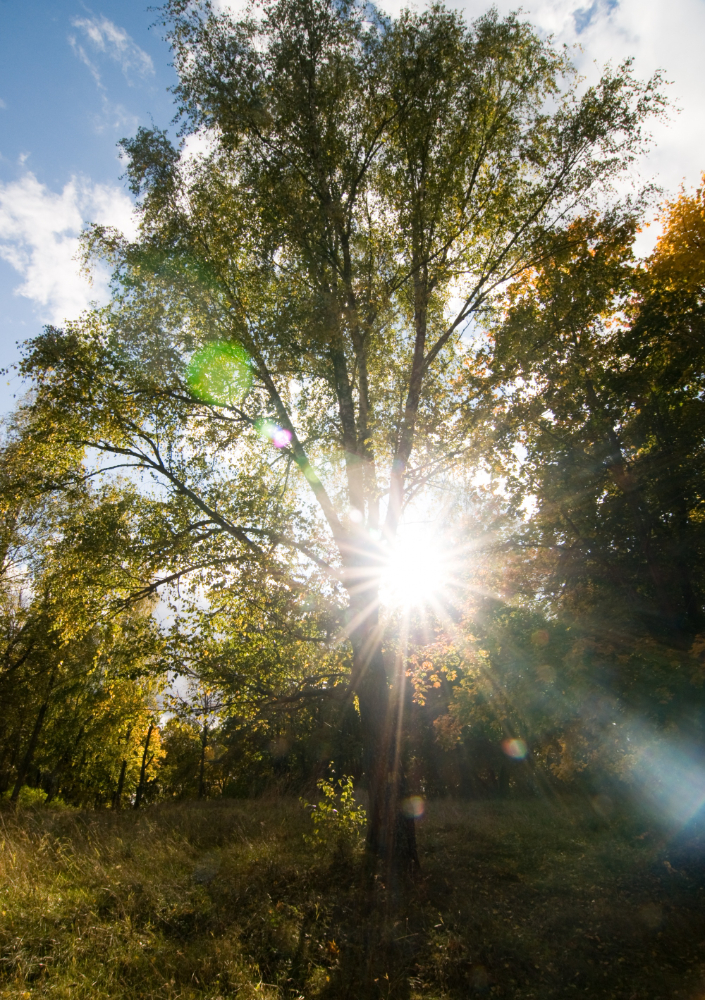
Sunlight produces a full spectrum of photons (little packets of energy) ranging from very short wavelength, high energy photons to very long wavelength, low energy photons. Only about 10 percent of the solar spectrum (400 to 700 nm) is visible. So far, most research has studied the effects of full spectrum bright light on depression and red and infrared light for a range of chronic conditions. It is increasingly understood that many different forms/colors of light have biological effects.
Light interacts with the body through chromophores, molecules that absorb particular wavelengths, including cytochrome C oxidase, melanopsin and melanin. Wide band light (more like sunlight) is generally better for us than narrow band light (more like a laser), so an incandescent bulb is friendlier to our biology than an LED light. A new finding is that shining light on one part of the body can produce benefits throughout the whole body. This means it may not be necessary to be precise with the treatment location.
Different Wavelengths Have Different Effects
Outside, you are exposed to roughly 10^20 photons every second (that’s 1 with 20 zeros after it). Each wavelength of light interacts differently with the body. UVC does not make it through the atmosphere. UVB, at 285 nm, converts cholesterol into vitamin D and other steroid hormones. UVA does the same for hormone and neurotransmitter production: melatonin, serotonin, and dopamine are all produced in mitochondria in response to it (Tan et al., 2023). Red and near infrared light, 600 to 1100 nm, penetrates much more deeply into the body (Prof. Bob Fosbury's work; Fosbury et al., 2026), and activates melatonin production, the body's most plentiful antioxidant. Far infrared is mostly absorbed as heat. Fire, heaters and saunas give off a lot of IR radiation.
Scott Zimmerman's Take on Red Light
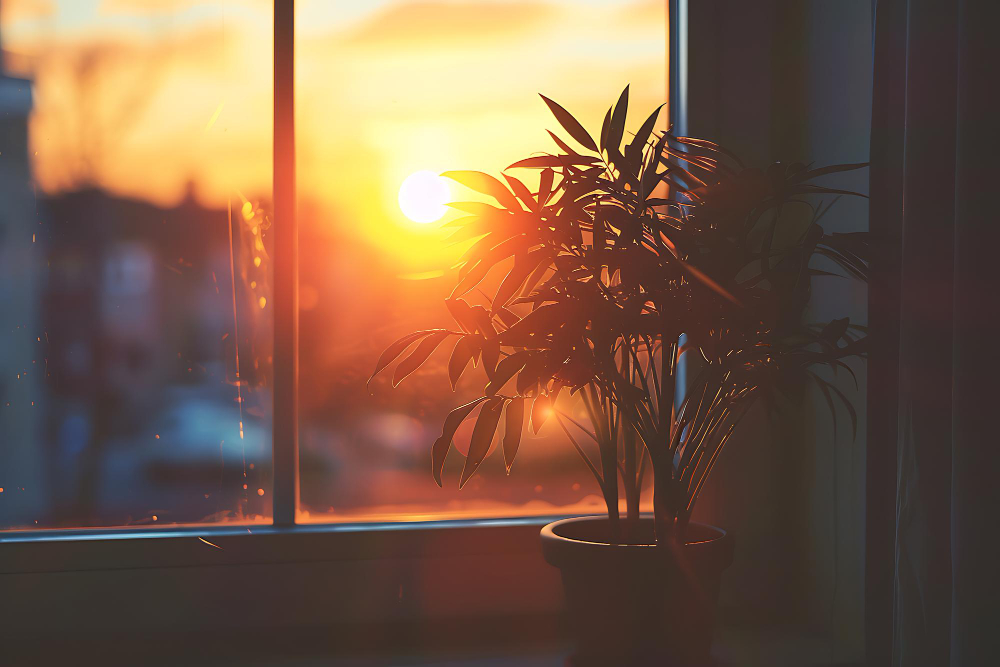
Optics engineer Scott Zimmerman notes that short wavelength UV and visible light are blocked by clothing, but infrared is not: at 850 nm, it passes through all clothing layers, so we benefit even in the shade. I hosted Scott Zimmerman on my Expert Speaker Series. In that far-reaching interview, Scott explained how indoor living is incompatible with good health. Our bodies evolved to depend on natural, full spectrum light for critical functions. Window glass in houses and cars blocks 94% of all IR light depriving us of a vital nutrient as important as vitamin C or D.
Glen Jeffery on Blue Light
Glen Jeffery's work shows that light can speed mitochondria up or slow them down. Red light increases mitochondrial function, while blue light slows it down. These effects are measurable through a decrease in exhaled CO2 and a rise in blood glucose. When blue light at 420 nm is shone on the arm, mitochondrial respiration decreases within two to three seconds.
In mice, 420 nm blue light produces weight gain within two weeks, because the animals stop pulling glucose out of their blood (Al-Hussaini et al., 2025). Blood glucose becomes unstable, the mice become nervous, and systemic inflammation develops. Non-native, single frequency blue light, isolated from the wavelengths that would normally balance it, looks like a real contributor to the chronic health problems we are seeing.
Clinical Benefits of Red Light
In one experiment by Glen Jeffrey, healthy people had red light at 670 nm shone on their backs for 15 minutes before a glucose tolerance test. Their sugar peak was 17 percent lower, because the mitochondria were pulling glucose out of the blood. As well, CO2 in the breath rose, evidence the mitochondria were working harder (Powner & Jeffery, 2024).
Red light also improves retinal function. Three minutes on the retina in the morning produces an effect that lasts five days, but giving the light later in the day does nothing. The same effect shows up in mice and humans. There does not seem to be a dose response curve; it behaves more like a switch than a dial, so the exact dose is not that important (Shinhmar et al., 2021). Please don't try this one at home without expert guidance.
In children, red light appears to decrease the incidence of near sightedness, a condition which is becoming more common as kids spend more time looking at things up close (Jiang et al., 2022).
Parents of children with mitochondrial DNA error diseases have started using red light therapy at home, with some showing improvements within a week. A formal study is now underway, and results so far are impressive (The Lily Foundation). Children moving from walking 50 meters to walking a few hundred, and improvements in eye opening and double vision. The proposed mechanism is increased ATP production. It makes me wonder whether a similar approach could help people with ME, CFS and long COVID.
Strong Evidence of Benefits of Red Light
Across these three interviews, the benefits that keep coming up include:
- wound healing (including diabetic wounds),
- reduced inflammation,
- pain relief,
- athletic recovery through increased circulation and mitochondrial function, and
- systemic effects from local application.
Red and IR light is also being used for brain conditions like Alzheimer's disease, mood disorders, traumatic brain injury, Parkinson's disease and for some eye conditions, cardiovascular disease, hair regrowth, to improve collagen and skin health, to improve sleep and to reduce gut inflammation. This long list of potential uses suggests that photobiomodulation is addressing a fundamental cellular process rather than one chemical pathway.
Can You Overdo Photobiomodulation?
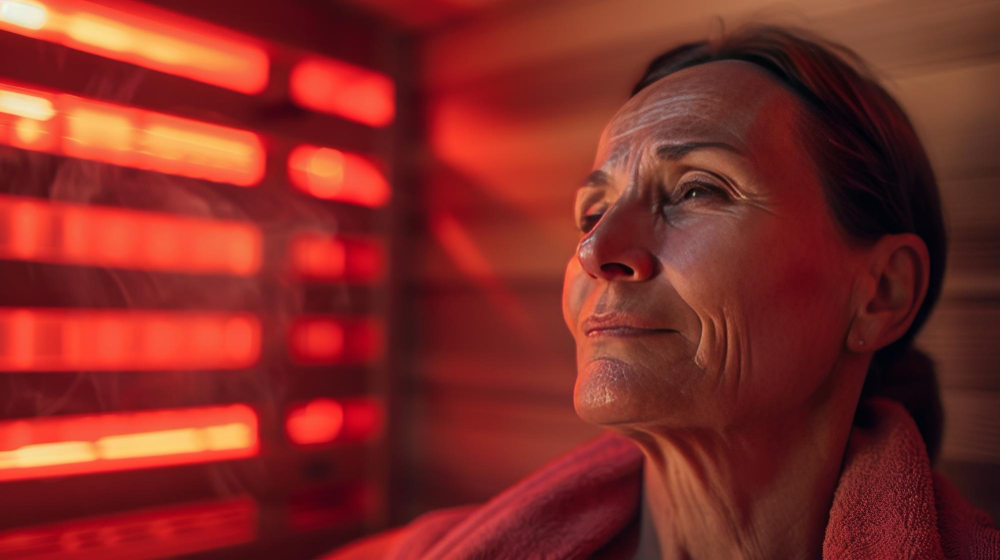
Getting outside more is the simplest and cheapest way to benefit from light. Any time the sun is up, 40 to 50 percent of the photons reaching you are in the infrared range, and many will pass through clothing, especially the longer wavelengths. Full spectrum sunlight is more beneficial than any combination of single frequency LED or laser devices. LED lights marketed as "full spectrum" are nothing like sunlight. Don't be fooled.
Red/IR light therapy is hormetic. This means it creates a mild stress on the body at a dose and timing that allows the body to respond and become more resilient. I dive deeper into hormesis in my two-part blog series, What Is Hormesis? How a Little Stress Can Make You Healthier (Part 1 of 2) and Cold, Heat, Light, and Breath: Four Gentle Ways to Trigger Healing (Part 2 of 2) .
Tips to Avoid Overdosing on Red/IR Light Therapy
- Dose intensities of 2 to 10 J/cm² are commonly recommended, though every device differs enough that your exact dose at a given distance and time is hard to know. More is not better.
- Two to three sessions per week per problem area is a reasonable starting point, with ongoing use needed for chronic issues like fatigue unless the underlying cause resolves.
- Ten to twenty minutes per session works for most uses; use longer sessions for large or deep areas.
- Higher intensities, 40 to 60 J/cm², may penetrate more deeply, but more intensity for less time does not always outperform lower intensity for longer.
- You should feel better after a session; feeling worse means you have overdone it.
- Aim the device at the skin, on the skin or a few inches away, moving it closer or farther to adjust the dose.
- Target the area of concern or treat the neck or forehead for overall benefit.
- The more severely ill you are, the lower the dose and shorter the session you should start with, increasing gradually since this is a hormetic stress and more is not automatically better.
- Avoid combining near infrared with heat.
My Experience with Red/IR Light Therapy
When I began using red/IR light over 10 years ago, few people had heard of it. There are now thousands of studies confirming that photobiomodulation works, even though we're still working out the mechanisms.
I did a little study 11 years ago and found that most people reported improvements after 4 – 5 sessions, mostly with pain, energy, sleep and mood.
How quickly does it work? For acute problems like a pulled muscle or waking up with a sore neck I often feel better after one or two treatments. For chronic full body symptoms like low energy, one has to continue the treatment long term. Photobiomodulation doesn't change underlying biology; it is a Band Aid, adding energy to the system lubricates mitochondrial function. When I’m travelling in my van, it is easier to spend time outside than to do daily or alternate day treatments. But when I'm in the city, I use my machine when I want a top up.
Please share your experience with red/IR light therapy. How do you get your exposure? What is your protocol? Do you combine it with other strategies? Have you noticed benefits?
Resources
Gulhane, M. (Host). (2024, March 15). Red light therapy & photobiomodulation with Andrew LaTour (No. 61) [Audio podcast episode]. In Regenerative Health with Max Gulhane, MD. https://podcasts.apple.com/us/podcast/61-red-light-therapy-photobiomodulation-with-andrew/id1661751206?i=1000649394314
Gulhane, M. (Host). (2023, October 8). Scott Zimmerman: Amazing effects of infrared light on the human body (No. 39) [Audio podcast episode]. In Regenerative Health with Max Gulhane, MD. https://open.spotify.com/episode/74FjoLh58kRIrQyHoaTmsQ
Gulhane, M. (Host). (2024, July 8). Amazing effect of red light on metabolic health & mitochondria, with Glen Jeffery, PhD (No. 74) [Audio podcast episode]. In Regenerative Health with Max Gulhane, MD. https://open.spotify.com/episode/6CYjCC1bt8KijSSI7jKrJA
Al-Hussaini, H., Al-Onaizi, M., Abed, B. S., Powner, M. B., Hasan, S. M., & Jeffery, G. (2025). Impact of short wavelength light exposure on body weight, mobility, anxiety like behaviour and cytokine expression. Scientific Reports, 15(1), 5927. https://doi.org/10.1038/s41598-025-89081-2
Fosbury, R. A. E., Seheult, R., Zimmerman, S., & Jeffery, G. (2026). Metabolism in the solar photon field: A physical framework for photon-assisted modulation of mitochondrial electron-transfer kinetics [Preprint]. bioRxiv. https://doi.org/10.64898/2026.08.11.744135
Jiang, Y., Zhu, Z., Tan, X., Kong, X., Zhong, H., Zhang, J., Xiong, R., Yuan, Y., Zeng, J., Morgan, I. G., & He, M. (2022). Effect of repeated low-level red-light therapy for myopia control in children: A multicenter randomized controlled trial. Ophthalmology, 129(5), 509–519. https://doi.org/10.1016/j.ophtha.2021.11.023
Karu, T. I. (2010). Multiple roles of cytochrome c oxidase in mammalian cells under action of red and IR-A radiation. IUBMB Life, 62(8), 607–610. https://doi.org/10.1002/iub.359
Mester, E., Szende, B., & Tota, J. G. (1967). Effect of laser on hair growth of mice [Article in Hungarian]. Kísérletes Orvostudomány, 19, 628–631. The History of Photobiomodulation: Endre Mester (1903–1984) - Andrew Mester, Adam Mester, 2017
Powner, M. B., & Jeffery, G. (2024). Light stimulation of mitochondria reduces blood glucose levels. Journal of Biophotonics, e202300521. https://doi.org/10.1002/jbio.202300521
Shinhmar, H., Hogg, C., Neveu, M., & Jeffery, G. (2021). Weeklong improved colour contrast sensitivity after single 670 nm exposures associated with enhanced mitochondrial function. Scientific Reports, 11, 22872. https://doi.org/10.1038/s41598-021-02311-1
Tan, D.-X., Reiter, R. J., Zimmerman, S., & Hardeland, R. (2023). Melatonin: Both a messenger of darkness and a participant in the cellular actions of non-visible solar radiation of near infrared light. Biology, 12(1), 89. https://doi.org/10.3390/biology12010089
The Lily Foundation. Revolutionary droopy eyelid treatment using red light therapy. https://www.thelilyfoundation.org.uk/affected-by-mito/our-research/research-zone/revolutionary-droopy-eyelid-treatment-using-red-light-therapy/
Click below for related blogs:
https://www.eleanorsteinmd.ca/blog/hormesis2
https://www.eleanorsteinmd.ca/blog/hormesis
 STAY CONNECTED AND INFORMED Join Ellie’s Newsletter to learn more about accessible science-based natural methods to help manage chronic illnesses. There is hope! And we’re here to help.
 If you are exhausted from trying to figure out which strategies to try next, join me live via zoom every two weeks. Live! with Dr. Stein takes the guess work out of healing, saves you time and provides the ongoing support and motivation you need to move ahead.
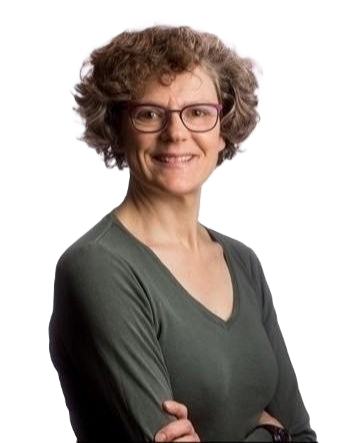 Dr. Eleanor Stein is a physician and psychiatrist who now dedicates her career to empowering people with complex chronic conditions—such as myalgic encephalomyelitis/chronic fatigue syndrome (ME/CFS), fibromyalgia, environmental sensitivities, long COVID and chronic pain—to reclaim their lives through accessible science-based self-management strategies.
She draws ideas from cutting edge research in circadian biology, neuroplasticity, hormesis and quantum biology among other.
With over 35 years of clinical practice in Calgary, Alberta, Canada, along with research and decades of lived experience navigating ME/CFS, fibromyalgia, and multiple chemical sensitivity (MCS), Dr. Stein uniquely blends rigorous medical insight with personal resilience. Her online resource platform offers, self-study programs, webinars, blogs and a podcast to support patients and health care professionals worldwide. If you are exhausted from trying to figure out which strategies to try next, join me live via zoom every two weeks. Live! with Dr. Stein takes the guess work out of healing, saves you time and provides the ongoing support and motivation you need to move ahead.
