What Is Hormesis? How a Little Stress Can Make You Healthier (Part 1 of 2)
Jul 16, 2026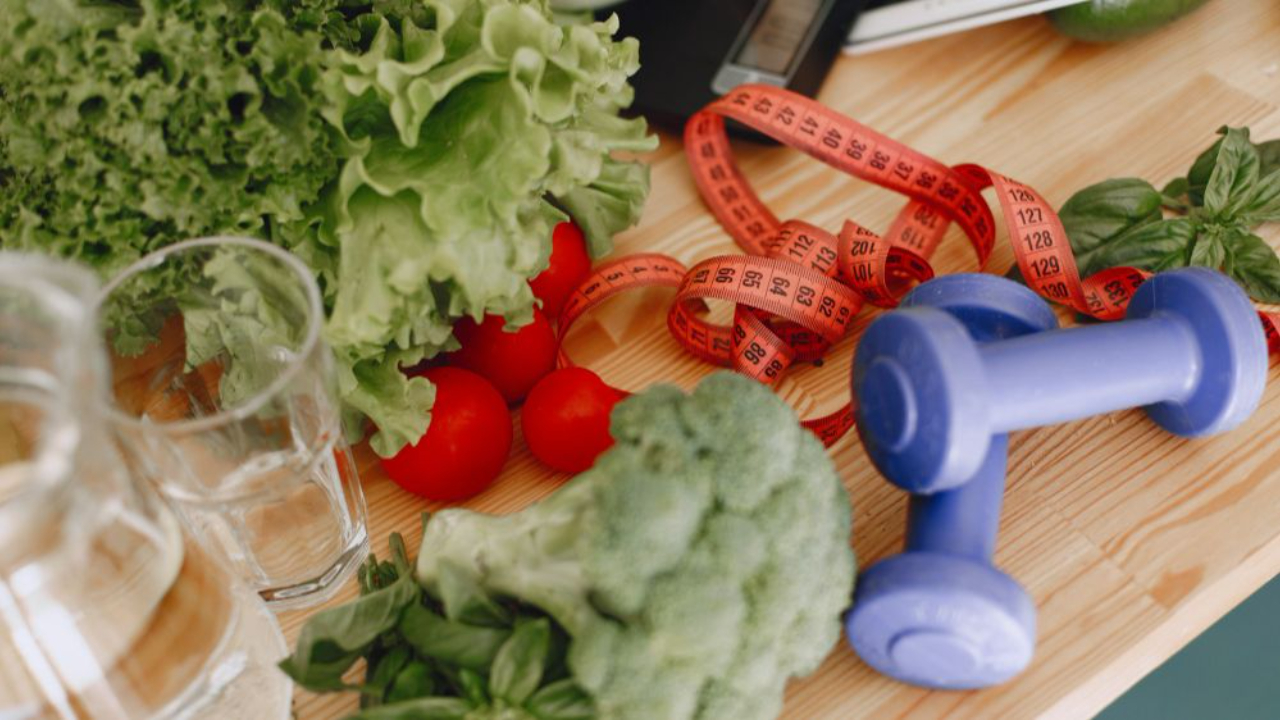
We hear and read constantly that stress is an enemy, something that causes inflammation, heart disease, ulcers and cancer. We are told it is something to eliminate, calm or avoid entirely. I watched patients struggle unsuccessfully to avoid stress, an impossibility in an unpredictable, ever-changing world. And I observed that the harder people tried to avoid stressful situations, the more worried and easily stressed they seemed. I've intuitively known for some time that something was wrong with this paradigm.
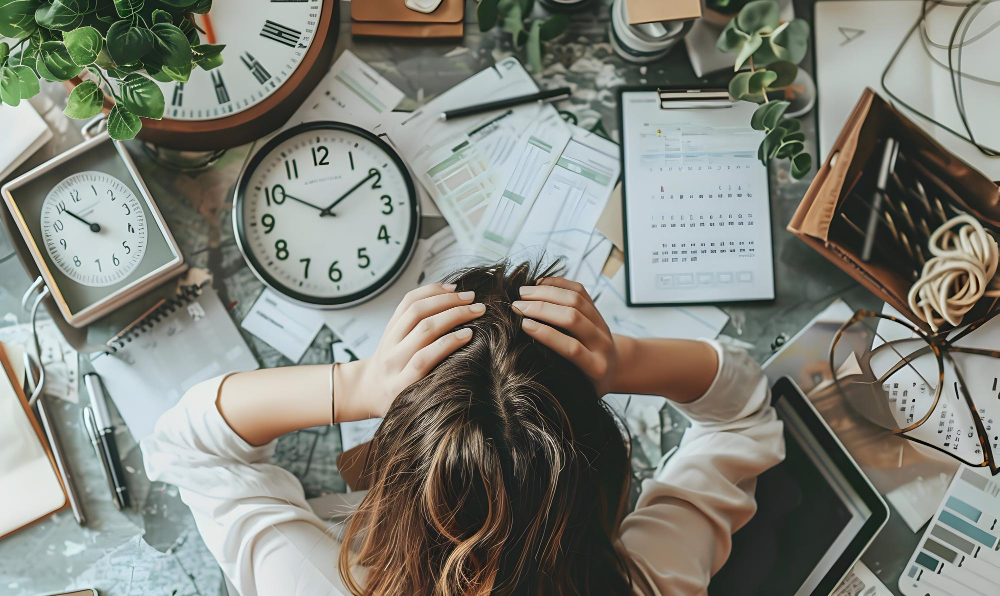
I had heard about a concept called “hormesis” for years but didn't fully understand what it meant or its implications for everyday life and health. The science of hormesis teaches us that our bodies have developed ways to benefit from life's inevitable, intermittent stressors. In carefully measured doses, stressors are one of the body's most powerful tools for healing even if you're managing a chronic complex illness.
What Is Hormesis, and Why Does It Matter for Chronic Illness?
Our environment is constantly changing. Every day we experience changes in temperature, nutrition, oxygenation and more. Individuals able to adapt to these changes will survive and thrive. Hormesis is a fundamental, evolutionarily conserved strategy the body uses to adapt to changes in ways that sustain and protect health.
Low levels of biological, chemical, physical, or psychological stress switch on adaptive responses that repair and restore damaged tissue, and modestly overcompensate in the process, leaving the body somewhat more resilient than it was before the stress occurred (Calabrese et al., 2023). If neuroplasticity is the brain's capacity to rewire itself, hormesis is the equivalent for the whole body; it's sometimes called biological plasticity. That's a large enough effect to matter for how we age, and for how we recover from illness.
How Does a Little Stress Make Cells Stronger?
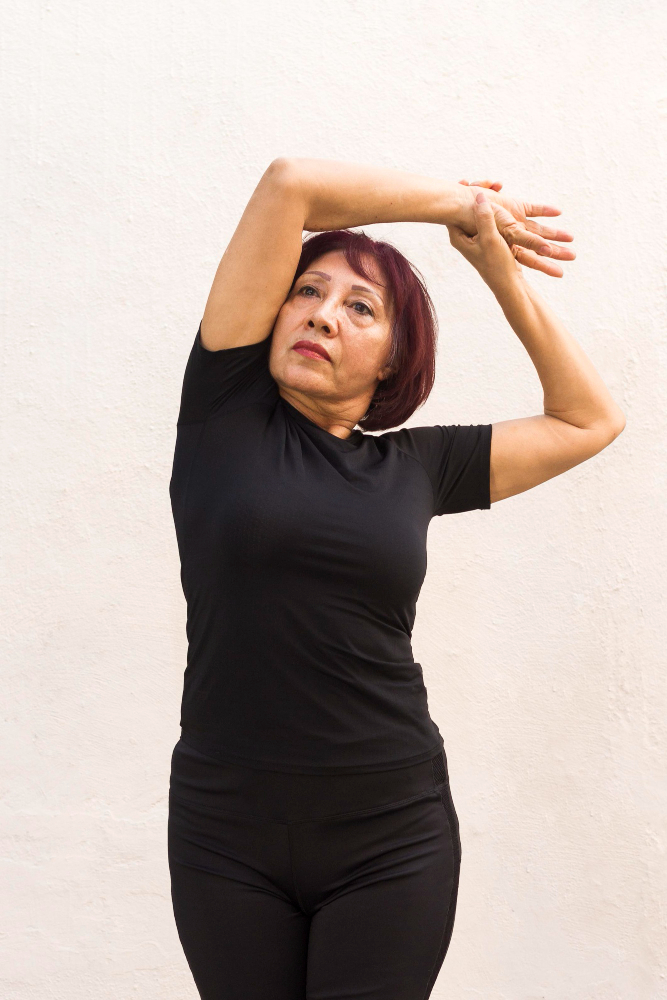
Exercise is the clearest example most people already understand. Physical activity supports the body directly (moving blood, oxygen, and fuel where they're needed), but it's also hormetic: exercise causes small amounts of damage to muscle and blood vessels. Cells notice that damage, repair it, and often overcompensate, becoming stronger than before.
I don't recommend exercise as a primary hormetic strategy here. Many people in the chronic complex disease community can't tolerate much physical activity without triggering post-exertional malaise. Pushing past one's energy envelope will not help; it will only lead to repeated, worsening crashes. That said, any movement you can safely do is still worthwhile. The goal of this series is to widen the toolbox beyond exercise, to include strategies that don't carry the same crash risk. Those wanting to learn how to increase activity safely may refer to my manual Let Your Light Shine Through, Chapter 3, for specific protocols.
This same pattern shows up across very different systems: fasting turns on autophagy (the cell's cleanup and recycling process). Phytochemicals in colorful plant-based foods stress cells in ways that activate repair pathways. Sauna and cold exposure activate heat and cold shock proteins, and brief periods of oxygen restriction increase the blood's oxygen-carrying capacity. Despite how different these stressors look on the surface, they largely work through the same cellular pathways: insulin sensing, mTOR, AMPK, sirtuins, and key antioxidant and anti-inflammatory genes. Because cells respond to all these pathways, if one hormetic strategy doesn't suit you, another may offer similar benefits through a different route.
Why Dose and Timing Matter More Than the Stressor Itself
This is the part people miss most often, and it's the most important safety principle in this series: dose is critical. A stressor that's beneficial at a low dose can cause real harm, even death, at a higher one. Timing matters just as much: hormetic stressors need to be intermittent, since continuous exposure to the same stress, even a “good” one, tends to become harmful rather than helpful.
As an example, even people in their 90s recovering from a stroke can benefit from intermittent blood-flow restriction to the limbs, but too much restriction of blood flow for too long will cause cellular damage.

NOTE: not every stressor is hormetic. Some exposures, like air pollution, chemical toxins and high-frequency radiation, are not beneficial at any dose. We don't build meaningful resilience to these, and no amount of “dosing” makes them safe.
Getting the dose and timing right for your own body, especially with a chronic illness, is exactly the kind of individualized pacing work I walk members through step by step inside my membership Live! with Dr. Stein. Healing is all about individuality.
Can Fasting Trigger Healing? What Time-Restricted Eating Actually Does
Caloric restriction is the most researched strategy to prolong health span and lifespan. But how does it work? How can depriving the body of critical nutrients for short periods of time be beneficial?
The technical answer is that caloric restriction raises NAD+ (a coenzyme central to energy metabolism) and activates SIRT1, a sirtuin gene linked to several beneficial cellular processes including autophagy, DNA repair, and antioxidant enzyme production. It also shifts your fuel source from sugar to ketones derived from stored fat; a switch associated with improved outcomes in metabolic syndrome, heart disease, and dementia in both animal and human research.
The simpler explanation is that the stress of fasting stimulates beneficial processes at the cellular level that make the organism more resilient to future stressors. Animals that can adapt to and benefit from stressors may live healthier, longer lives.
Although caloric restriction is shown to be beneficial in animal research, it is not a practical strategy for most people. Strict caloric restriction means being perpetually hungry, which isn't realistic or advisable for most people, especially anyone managing a chronic illness. Time-restricted eating is a gentler way to access some of the same benefits.
Effective research protocols for time-restricted eating generally range from about 12 to 16 hours of fasting and 8 – 12 hours of eating. This is commonly described as 12:12 or 16:8 eating patterns. Longer fasting windows tend to produce stronger effects but can be harder to sustain. Shortening the eating window and moving it earlier in the day, with several hours between the last meal and bedtime, tends to work best.
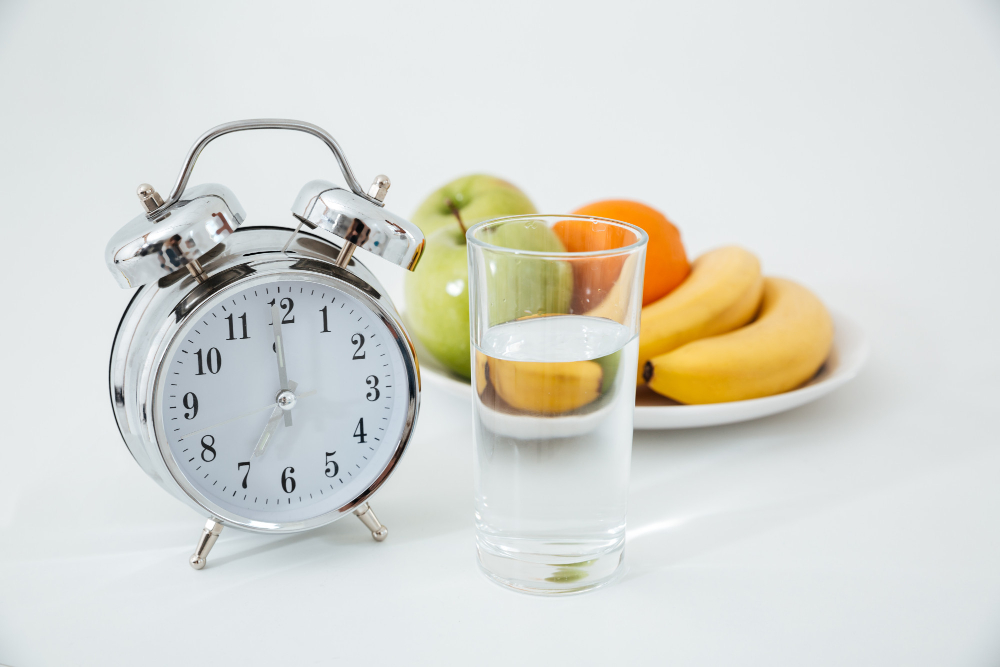
Emerging evidence suggests fasting-based strategies work partly through hormesis, not just through calorie reduction alone. This means that time-restricted eating can show benefits even when total food intake doesn't change much. The right window length and pacing really does depend on your baseline energy and illness severity, which is something I help members map out individually rather than prescribe as one-size-fits-all.
Do Antioxidant Supplements Work as Well as Colorful Food?
It was long assumed that fruits and vegetables were beneficial mainly because of their nutrient and antioxidant content. That's true, but incomplete. Phytochemicals like alkaloids, polyphenols, and terpenoids are produced by plants experiencing stressors such as drought, temperature extremes and radiation exposure. When we eat them, these molecules transfer some of the benefits of the stressors the plants experienced to us. The phytochemicals place a mild, beneficial stress on our own cells, activating the same repair pathways described above. Interestingly, organic produce contains meaningfully higher concentrations of several of these antioxidant compounds than conventionally grown produce (Barański et al., 2014).
Based on this finding, it was assumed that if some antioxidant phytonutrients are good, more might be better. However, research has found that taking isolated antioxidant supplements such as beta-carotene and vitamin E doesn't reliably improve health outcomes, and in some analyses is associated with slightly worse outcomes, including increased mortality (Bjelakovic et al., 2009).
If phytochemicals worked mainly by passively supplying antioxidants, isolated supplements should help just as much as food. The fact that they often don't suggests it's the hormetic challenge itself, the mild stress of the compound, not just its antioxidant content, that produces the benefit. It's a good illustration of why hormesis changes how we think about nutrition: the body isn't just absorbing nutrients passively; it's responding to a signal.
A Few Guiding Principles Before You Start
Whatever hormetic strategy interests you, whether from nutrition or the temperature, light, and breathing strategies covered in Part 2, the same broad principles apply.
- Start small if you're more severely ill.
- Change one variable at a time.
- Make sure your body has fully recovered from any noticeable stress response before repeating it.
- If you notice no or little effect over a few weeks, you may be able to slowly increase the dose of the stressor (e.g. more exercise, a slightly longer fast, or adding more colorful vegetables to your diet).
- If your body isn't recovering from the stressors, cut back on the strategy or try a different strategy instead.

The exact starting doses, how to titrate safely with ME, CFS, fibromyalgia, or long COVID, and what to do if you have a setback are the details I go through in depth with my Live! with Dr. Stein members, because getting this wrong with a compromised nervous system can set someone back rather than help them.
What's Next
In Part 2, I'll cover temperature hormesis (cold water immersion and sauna), red and infrared light therapy, intermittent hypoxia and a breathing technique showing real promise for long COVID.
If you'd like structured, pacing-aware support putting these strategies into practice, I invite you to join the Live! with Dr. Stein community.
References
Calabrese, E. J. et al, Hormesis defines the limits of lifespan. Ageing Research Reviews, 2023. 91, 102074. DOI: 10.1016/j.arr.2023.102074
Barański, M., et al. Higher antioxidant and lower cadmium concentrations and lower incidence of pesticide residues in organically grown crops: A systematic literature review and meta-analyses. British Journal of Nutrition, 2014. 112(5), 794–811. DOI: 10.1017/S0007114514001366
Bjelakovic, G, et al. Antioxidant supplements for prevention of mortality in healthy participants and patients with various diseases. Cochrane Database of Systematic Reviews, 2009 (3), CD007176. DOI: 10.1002/14651858.CD007176
For more information on promoting hormesis, see these blogs
https://www.eleanorsteinmd.ca/blog/slow-aging-stratagies
https://www.eleanorsteinmd.ca/blog/nutrient-sensing
https://www.eleanorsteinmd.ca/blog/debunking
 STAY CONNECTED AND INFORMED Join Ellie’s Newsletter to learn more about accessible science-based natural methods to help manage chronic illnesses. There is hope! And we’re here to help.
 If you are exhausted from trying to figure out which strategies to try next, join me live via zoom every two weeks. Live! with Dr. Stein takes the guess work out of healing, saves you time and provides the ongoing support and motivation you need to move ahead.
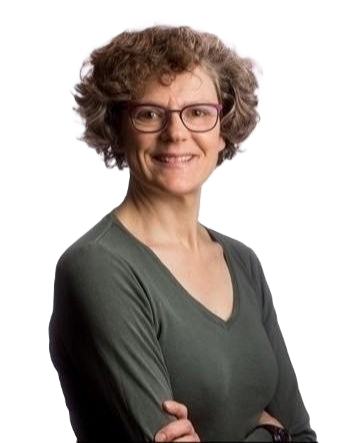 Dr. Eleanor Stein is a physician and psychiatrist who now dedicates her career to empowering people with complex chronic conditions—such as myalgic encephalomyelitis/chronic fatigue syndrome (ME/CFS), fibromyalgia, environmental sensitivities, long COVID and chronic pain—to reclaim their lives through accessible science-based self-management strategies.
She draws ideas from cutting edge research in circadian biology, neuroplasticity, hormesis and quantum biology among other.
With over 35 years of clinical practice in Calgary, Alberta, Canada, along with research and decades of lived experience navigating ME/CFS, fibromyalgia, and multiple chemical sensitivity (MCS), Dr. Stein uniquely blends rigorous medical insight with personal resilience. Her online resource platform offers, self-study programs, webinars, blogs and a podcast to support patients and health care professionals worldwide. If you are exhausted from trying to figure out which strategies to try next, join me live via zoom every two weeks. Live! with Dr. Stein takes the guess work out of healing, saves you time and provides the ongoing support and motivation you need to move ahead.</p
