Cold, Heat, Light, and Breath: Four Gentle Ways to Trigger Healing (Part 2 of 2)
Jul 24, 2026
In Part 1 of this series, I explained the concept of hormesis: how a small, intermittent, well-timed stressor can leave your cells stronger than before, and how fasting and phytochemical-rich foods put that principle to work. This second part covers four more accessible tools: cold water, sauna, red and infrared light and breath. All four have strong safety records and, unlike exercise, don't require physical exertion, which makes them worth exploring even if you're managing ME, CFS, fibromyalgia, long COVID or chemical sensitivity.
What Happens to Your Body During Cold Water Exposure?
Immersion in cold water is hormetic because the gap between your skin temperature and the water temperature is a stressor. For the exposure to work, the water needs to be cold enough to feel genuinely uncomfortable: breathing and heart rate should speed up, and you should be shivering by the time you get out.
At a physiological level, cold exposure activates both heat-shock and cold-shock proteins, which help repair and protect cellular proteins. It raises adrenaline, giving you a built-in opportunity to practice slowing your breathing under mild stress. It activates brown fat, a metabolically active tissue that increases metabolism and insulin sensitivity as it grows. It increases vasodilation, which can lower blood pressure and resting heart rate over the longer term. It also increases serotonin, which may explain the mood boost many people report.

Research protocols for the general population often use water around 12°C for 1 to 2 minutes, adding up to roughly 11 minutes total per week (Søberg et al., 2021). Most people in our community do better starting much gentler than that, a cooler room, a hand in cold water, or a short cool shower, and building up gradually from there. One patient of mine described cold immersion as “exercise without the PEM (post-exertional malaise)”. It was enough physiological challenge to feel like she'd done something, without the payback the next day. That's not a universal experience, but it captures why this strategy is worth considering.
What Are the Health Benefits of Regular Sauna Use?
Sauna produces many of the same physiological effects as exercise: it raises heart rate, cardiac output, and peripheral blood flow, and increases sweating to support detoxification of fat-soluble compounds. At the cellular level, it increases heat-shock proteins, decreases oxidative stress, and improves insulin sensitivity.
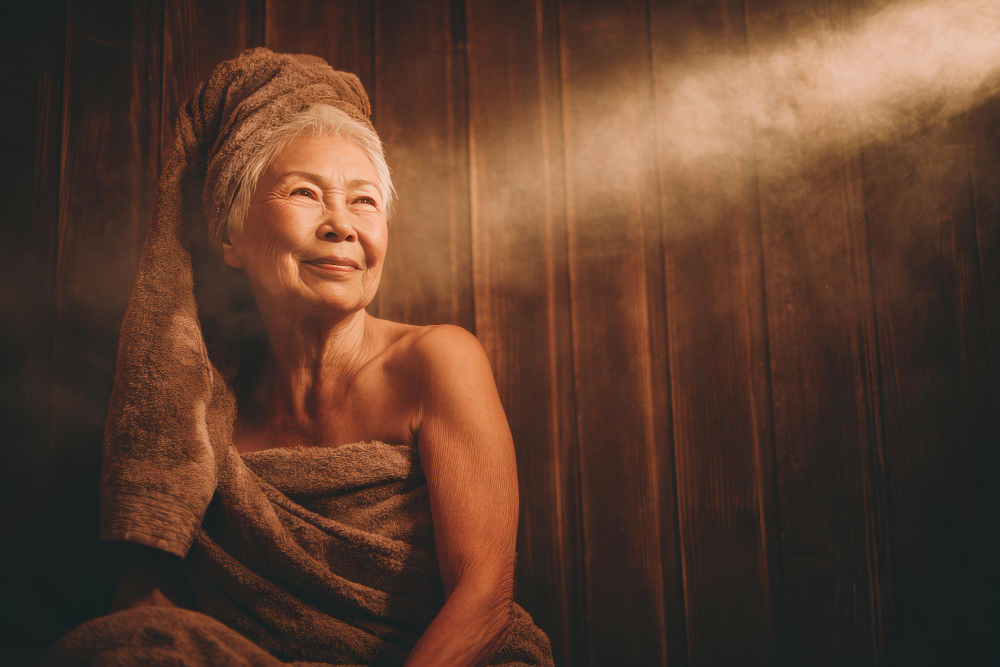
The strongest evidence comes from large Finnish cohort studies. Men who used a sauna several times a week had substantially lower rates of fatal cardiovascular events and all-cause mortality than those who used one only once a week (Laukkanen et al., 2015). The same cohort showed a strong inverse association between sauna frequency and risk of dementia and Alzheimer's disease (Laukkanen et al., 2017).
These are observational studies, so although they show a strong association, they do not prove cause and effect, but the dose-response pattern strengthens the case. Additional reported benefits include increased heart rate variability and release of endogenous opioids and serotonin. Small studies have also found improved symptom scores in fibromyalgia and ME, CFS, though the temperature had to be lowered considerably for the ME, CFS study to be tolerable.
For otherwise healthy people, sauna sessions are recommended to be short and intensely hot -upwards of 80°C for 10 to 20 minutes, 4 to 7 days a week. In my experience, this is far too intense for most people in our community. Working out the right starting temperature, duration, and frequency for your own nervous system is critical since getting it wrong can do more harm than good with a sensitized system. People in this community generally start at a much lower heat, stay in the sauna longer and increase the dose more slowly. I review things like how to monitor sauna to ensure safety in my membership Live! with Dr. Stein.
Low-Level Light Therapy: A Gentle Cellular Nudge
Low-level light or laser therapy (LLLT), also called photo-biomodulation, uses red light (600 to 700 nanometers) or infrared light (700 to 1000 nanometers) delivered by LED arrays or low-power lasers. The primary mechanism is activation of cytochrome c oxidase, an enzyme in the mitochondria, which increases ATP (cellular energy) production. This leads to improved healing, an anti-inflammatory effect comparable to some anti-inflammatory medications, and increased micro-circulation (Rojas & Gonzalez-Lima, 2013). The increase in ATP also modestly increases oxidative stress in the treated tissue, which is itself a hormetic signal, prompting the affected cells to increase their own antioxidant capacity.
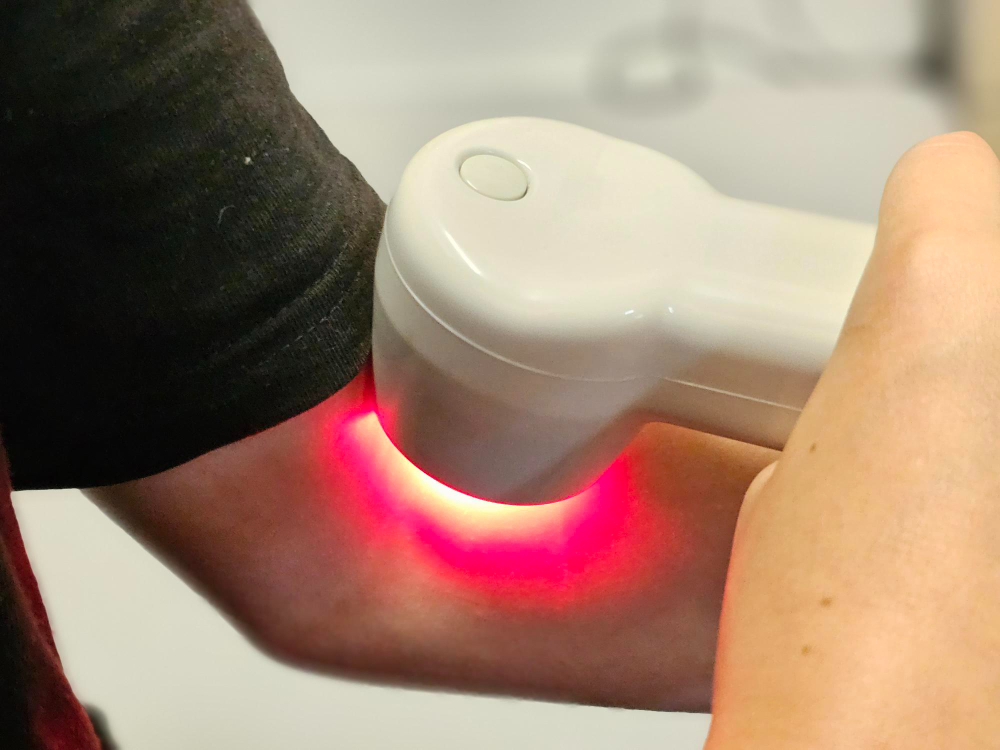
Over 300 meta-analyses support this therapy for a wide range of conditions, including osteoarthritis, neck pain, fibromyalgia pain, wound healing, and post-surgical recovery, and it has a strong overall safety record when devices are used correctly. Beyond pain and wound healing, red and infrared light has research support for things as diverse as skin health and chemotherapy side effects. It is even used trans-cranially for stroke, brain injury, depression and neurodegenerative disorders. A genuinely exciting, though still early, line of research found that pulsing the light at 40 Hz (the brain's gamma frequency) reduced amyloid plaques in mouse models of Alzheimer's disease (Iaccarino et al., 2016); human trials are underway but not yet conclusive.
Most people who respond to this kind of light therapy notice a change within 5 to 6 sessions, typically delivered a few times a week. Precautions do apply, including around pregnancy, photosensitizing medications, active cancer treatment, and eye safety, so this is worth discussing with your medical team before starting. The specific session frequency and duration that tends to work well for our community is something I cover in the membership.
Intermittent Hypoxia and the Power of Slower Breathing
Living or training at altitude gives athletes a well-known advantage, because lower oxygen levels challenge the body to increase its oxygen-carrying capacity. This is hormesis in action.
Uncontrolled, chronic hypoxia, like that seen in untreated obstructive sleep apnea, causes real harm, but controlled, intermittent hypoxia is a classic hormetic stressor: beneficial at low, intermittent doses and harmful at high or constant ones (Burtscher et al., 2024).
Cells respond to lower oxygen by activating many of the same resilience pathways triggered by other hormetic stressors, including AMPK, mTOR, sirtuins, and heat-shock proteins. Documented benefits include improved breathing capacity, more efficient mitochondrial energy production, improved cardiovascular function, better metabolic health, and decreased pain sensitivity.
Technology-based protocols that precisely control oxygen delivery, several short sessions a day for a couple of weeks, have shown benefit in research settings, but this equipment isn't accessible to most people. Although often advocated online, it is unclear whether simple breath-holding offers the same benefit as these researched devices.
Breathing itself, without any special equipment, is one of the most underused hormetic tools. Fast, shallow breathing signals the body that it's under threat, while slow, easy breathing signals safety. Chronic over-breathing lowers blood carbon dioxide, which constricts blood vessels and reduces blood flow to the brain and tissues. Slower breathing allows carbon dioxide to rise slightly, which dilates blood vessels and improves blood flow.

Over-breathing (hyperventilation) is thought to contribute to the air hunger so common in ME, CFS, fibromyalgia, and long COVID. A Stanford-led randomized trial found that daily short sessions of exhale-focused breathing improved mood and reduced physiological arousal more than an equivalent amount of mindfulness meditation (Balban et al., 2023).
Bringing This Series Together
Activity, nutrition, temperature, light, and oxygen levels are some of the constantly changing variables we can teach our body to adapt to and benefit from. These mild stressors act through overlapping cellular pathways, so if one approach doesn't suit you, another may offer benefit. Start with whichever feels most accessible, change one variable at a time, and give your body time to recover before repeating the exposure.
If you'd like structured, pacing-aware support putting any of these strategies into practice, including specific protocols tailored to ME, CFS, fibromyalgia, and long COVID, I invite you to join the Live! with Dr. Stein community. You gain immediate access to over two years of session recordings and can ask your questions in every session.
References
Søberg, S., et al. Altered brown fat thermoregulation and enhanced cold-induced thermogenesis in young, healthy, winter-swimming men. Cell Reports Medicine, 2021. 2(10), 100408. DOI: 10.1016/j.xcrm.2021.100408
Laukkanen, T., et al. Association between sauna bathing and fatal cardiovascular and all-cause mortality events. JAMA Internal Medicine, 2015. 175(4), 542–548. DOI: 10.1001/jamainternmed.2014.8187
Laukkanen, T., et al. . Sauna bathing is inversely associated with dementia and Alzheimer's disease in middle-aged Finnish men. Age and Ageing, 2017. 46(2), 245–249. DOI: 10.1093/ageing/afw212
Rojas, J. C., & Gonzalez-Lima, F. Neurological and psychological applications of transcranial lasers and LEDs. Biochemical Pharmacology, 2013. 86(4), 447–457. DOI: 10.1016/j.bcp.2013.06.012
Iaccarino, H. F., et al. Gamma frequency entrainment attenuates amyloid load and modifies microglia. Nature, 2016. 540(7632), 230–235. DOI: 10.1038/nature20587
Burtscher, J., et al. Mechanisms underlying the health benefits of intermittent hypoxia conditioning. Journal of Physiology, 2024. 602(21), 5757–5783. DOI: 10.1113/JP285230
Balban, M. Y., et al. Brief structured respiration practices enhance mood and reduce physiological arousal. Cell Reports Medicine, 2023. 4(1), 100895. DIO: 10.1016/j.xcrm.2022.100895
For more information on promoting hormesis, see these blogs
https://www.eleanorsteinmd.ca/blog/hormesis
https://www.eleanorsteinmd.ca/blog/slow-aging-stratagies
https://www.eleanorsteinmd.ca/blog/nutrient-sensing
https://www.eleanorsteinmd.ca/blog/debunking
 STAY CONNECTED AND INFORMED Join Ellie’s Newsletter to learn more about accessible science-based natural methods to help manage chronic illnesses. There is hope! And we’re here to help.
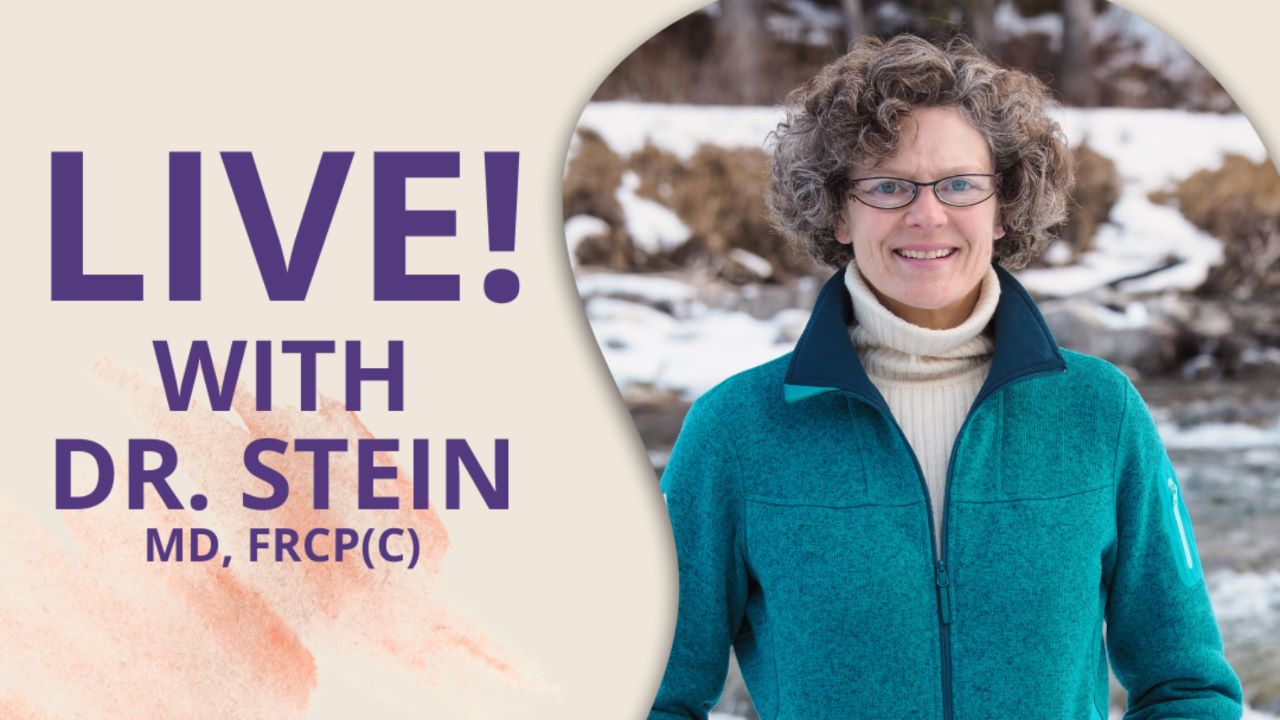 If you are exhausted from trying to figure out which strategies to try next, join me live via zoom every two weeks. Live! with Dr. Stein takes the guess work out of healing, saves you time and provides the ongoing support and motivation you need to move ahead.
 Dr. Eleanor Stein is a physician and psychiatrist who now dedicates her career to empowering people with complex chronic conditions—such as myalgic encephalomyelitis/chronic fatigue syndrome (ME/CFS), fibromyalgia, environmental sensitivities, long COVID and chronic pain—to reclaim their lives through accessible science-based self-management strategies.
She draws ideas from cutting edge research in circadian biology, neuroplasticity, hormesis and quantum biology among other.
With over 35 years of clinical practice in Calgary, Alberta, Canada, along with research and decades of lived experience navigating ME/CFS, fibromyalgia, and multiple chemical sensitivity (MCS), Dr. Stein uniquely blends rigorous medical insight with personal resilience. Her online resource platform offers, self-study programs, webinars, blogs and a podcast to support patients and health care professionals worldwide. If you are exhausted from trying to figure out which strategies to try next, join me live via zoom every two weeks. Live! with Dr. Stein takes the guess work out of healing, saves you time and provides the ongoing support and motivation you need to move ahead.
